Uncovering Links Between Urban Development Projects and Satellite Casino Growth in Underserved Communities
Xander Schmitz · Jun 18, 2026
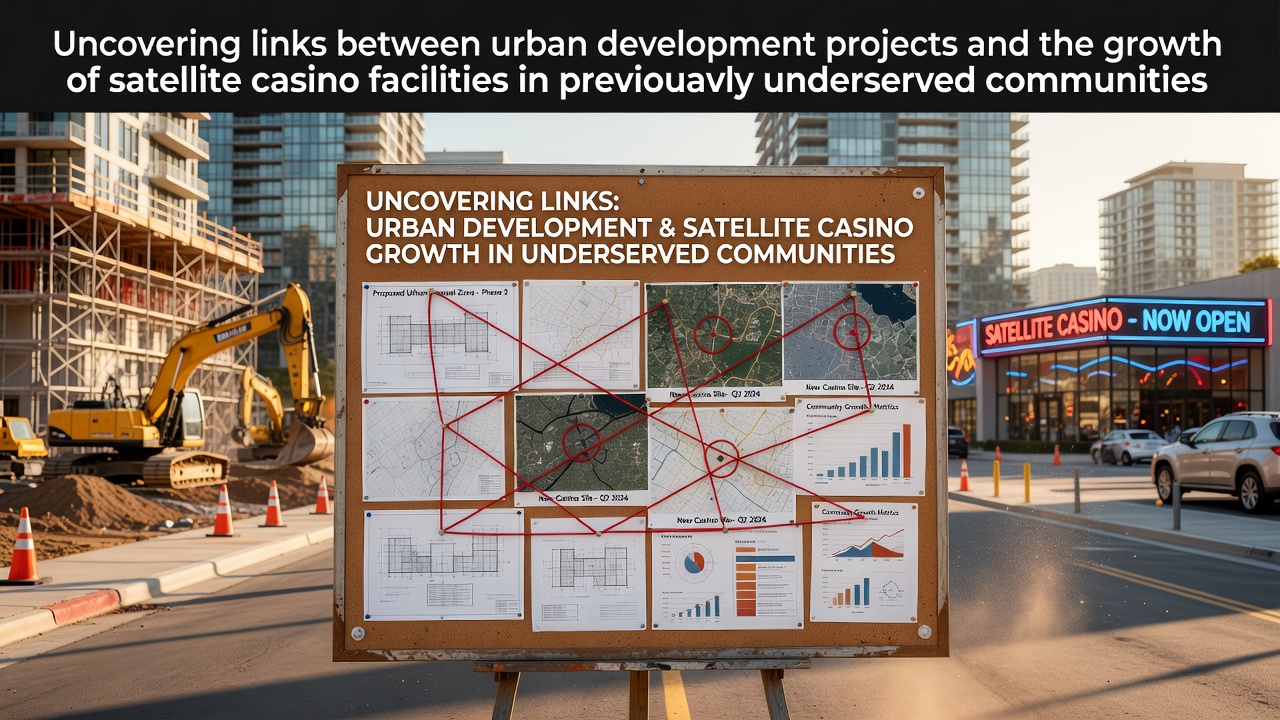
Uncovering Links Between Urban Development Projects and Satellite Casino Growth in Underserved Communities
Urban development initiatives have reshaped numerous communities across North America and beyond since the early 2000s, and data from regional planning agencies shows a clear pattern where infrastructure upgrades coincide with the arrival of satellite casino facilities in areas once considered too remote or economically challenged for such operations. These smaller venues, often positioned outside major metropolitan cores, benefit from improved roadways, public transit extensions, and zoning reforms that transform previously overlooked neighborhoods into viable locations for gaming operators seeking expansion without the high costs of downtown real estate.
Patterns in Infrastructure Investment and Venue Placement
Researchers tracking land use changes note that satellite casinos tend to cluster along newly developed corridors where cities invest in utilities and transportation networks, and this alignment appears in multiple jurisdictions from the Midwest through the Southwest. According to reports compiled by the U.S. Census Bureau's American Community Survey data releases, communities receiving federal and state grants for revitalization projects experienced measurable population inflows between 2018 and 2025, which in turn created demand for entertainment options including gaming. Observers note that operators evaluate these sites based on projected foot traffic from both local residents and commuters drawn by the improved access.
What's interesting is how zoning adjustments play into these decisions, since many satellite facilities receive approvals only after master plans designate mixed-use zones that blend residential, commercial, and leisure components. Those who've studied permitting records across several states find that projects incorporating casino elements move forward faster when paired with broader economic development packages that include retail plazas or hotel components.
Case Examples from Recent Expansions
One study revealed that a series of highway widening projects completed in 2024 opened access to three previously isolated townships, and within eighteen months each township hosted at least one satellite gaming venue. Figures from state revenue departments indicate that these new locations captured a growing share of regional wagering volume, particularly from players who previously traveled longer distances to established resorts. Data shows similar dynamics in Canadian provinces where provincial gaming corporations partnered with municipal governments on brownfield redevelopment, resulting in compact facilities that opened in 2025 near upgraded light rail stops.

June 2026 marks another wave of openings in several Sun Belt states where federal infrastructure funds accelerated commercial rezoning, and preliminary tallies from industry associations already point to increased license applications in census tracts that received targeted investment. People who've examined these filings note that operators cite improved broadband coverage and utility capacity as key factors that lower operational costs compared with earlier decades when such amenities were absent from outlying areas.
Economic Indicators and Community Shifts
Evidence suggests that employment figures in host communities rise modestly after satellite casinos open, especially in hospitality and security roles, although researchers emphasize the need to separate these gains from broader labor market trends. Australian regulatory bodies tracking similar developments in regional areas report parallel outcomes, with venue growth concentrated near upgraded transport hubs that connect smaller towns to larger employment centers. Those monitoring property values find that assessed valuations often increase within a two-mile radius of new facilities, reflecting both direct investment and ancillary business formation.
Turns out the timing of these projects frequently overlaps with updates to local comprehensive plans, which prioritize mixed-income housing alongside commercial nodes. Gaming control boards in multiple jurisdictions have documented how such plans create regulatory pathways that streamline approvals for smaller-scale casinos designed to serve day-trip visitors rather than overnight tourists.
Regulatory and Planning Intersections
State-level gaming commissions coordinate with metropolitan planning organizations to review traffic impact studies before issuing licenses, and this process has become more standardized as satellite models proliferate. Reports from the Ontario Lottery and Gaming Corporation highlight how public-private partnerships incorporate casino components into larger transit-oriented developments, reducing the perception that gaming arrives independently of community planning goals. Data from these reviews shows that facilities located within designated growth boundaries receive expedited environmental assessments compared with proposals outside those zones.
Conclusion
The documented connections between urban development spending and satellite casino placement continue to evolve as more regions finalize infrastructure projects initiated years earlier. Figures released through mid-2026 indicate sustained interest from operators in sites where population density and accessibility metrics have improved, while planning agencies track how these venues integrate with surrounding land uses over time. Continued data collection from regulatory and census sources will clarify the long-term spatial patterns that emerge from these overlapping investments.