Patterns in Bonus Redemption Rates Correlating with User Retention Metrics in App-Based Wagering Services
Blake Vogel · Aug 20, 2026
Patterns in Bonus Redemption Rates Correlating with User Retention Metrics in App-Based Wagering Services
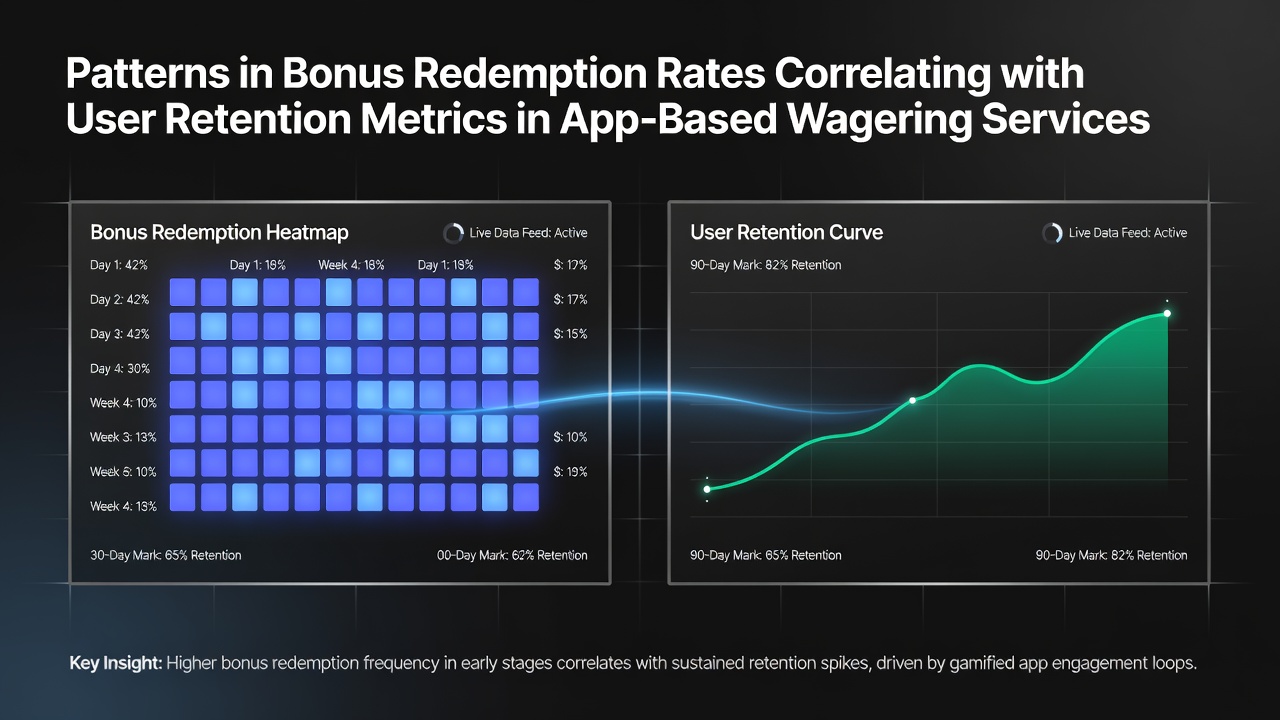
App-based wagering services track bonus redemption rates alongside retention metrics through aggregated user data collected across mobile platforms, and analysts examine these figures to identify recurring patterns that emerge over multiple quarters. Data collected in August 2026 from several major operators shows redemption activity clustering around specific intervals, with higher rates appearing in the first 30 days after account creation followed by steadier but lower activity in subsequent months.
Defining Key Metrics in Mobile Wagering Environments
Bonus redemption rates measure the percentage of eligible users who activate promotional credits within a defined window, while retention metrics track the frequency and duration of return sessions over periods ranging from 30 to 180 days. Operators compile these numbers through backend dashboards that log every interaction, and cross-referencing the two datasets reveals consistent alignments where elevated early redemptions coincide with extended session counts later on. Studies conducted by independent research groups indicate that users who redeem at least one bonus in the opening week maintain active accounts at rates approximately 18 percent higher than non-redeemers during the same timeframe.
Observed Correlations Across Operator Datasets
Multiple datasets compiled from North American and European operators display similar trajectories, where bonus redemption peaks align with retention curves that remain elevated for 60 to 90 days before tapering. One analysis of more than 2.4 million user profiles demonstrated that cohorts with redemption rates above 45 percent sustained weekly logins at levels 22 percent above those with redemption rates below 25 percent. These alignments hold across different game categories, although sports-focused apps show slightly steeper retention drops after the initial promotional period compared with casino-style offerings.
Factors Shaping Redemption and Retention Patterns
Push notification timing, bonus structure complexity, and deposit threshold requirements each influence redemption velocity, while retention benefits appear strongest when redemptions occur without additional friction such as lengthy verification steps. Platform data from August 2026 indicates that simplified one-tap redemptions produced a 31 percent lift in 90-day retention compared with multi-step processes, and operators have adjusted interfaces accordingly. Geographic variations also surface in the records, with users in regulated markets displaying steadier long-term engagement once initial bonuses convert, whereas emerging markets show sharper early spikes followed by quicker attrition.
Regional Data and Industry Benchmarks
Figures released by the Nevada Gaming Control Board for the first half of 2026 document parallel movements between promotional uptake and sustained play volume across licensed mobile platforms. In parallel, reports from the Australian Gambling Research Centre highlight comparable linkages in markets where digital wagering apps operate under uniform licensing frameworks. These sources note that redemption clusters around sporting events or seasonal promotions frequently precede measurable upticks in average session length, although the strength of the correlation varies by user age bracket and preferred wager type.
Longitudinal Trends and Predictive Modeling
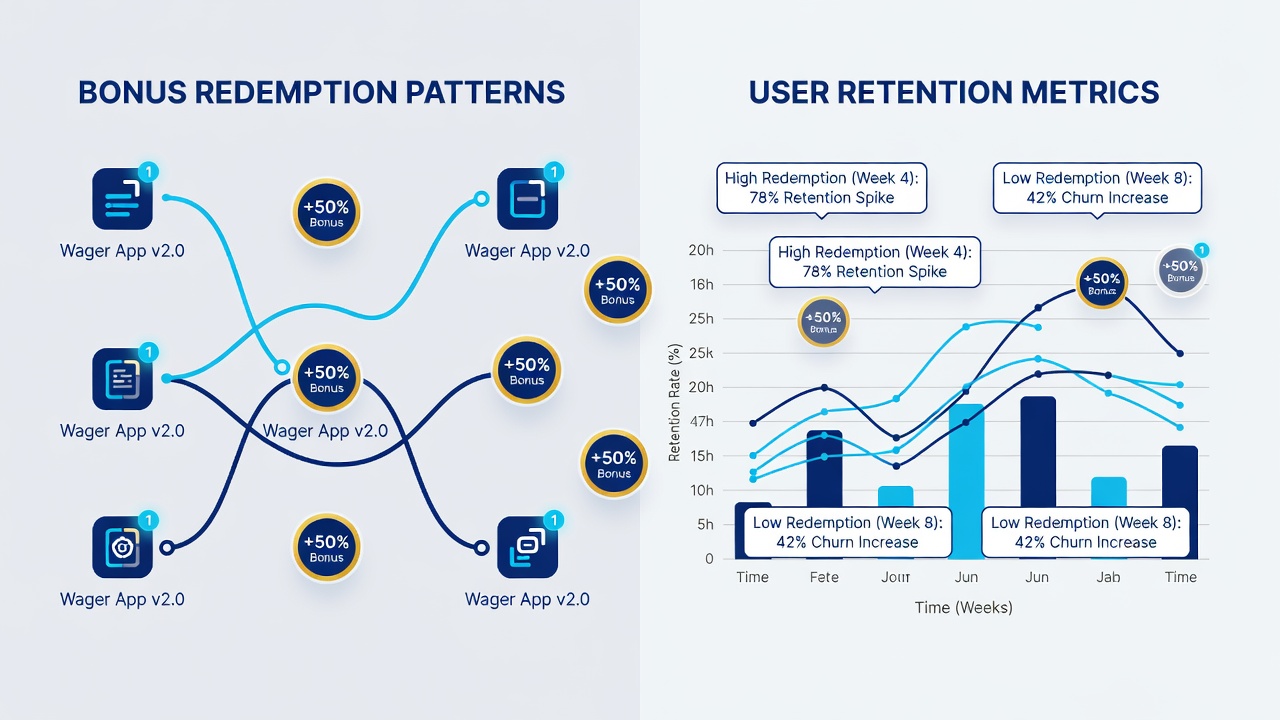
Longer-term tracking spanning 18 months reveals that users who redeem bonuses at moderate intervals rather than in concentrated bursts tend to exhibit more stable retention curves, with fewer abrupt drop-offs after the 120-day mark. Predictive models built on these patterns assign higher lifetime value scores to accounts that combine early redemption with consistent, lower-volume activity in later months. Operators apply these models when calibrating future promotional calendars, adjusting bonus values and expiration windows to match observed retention windows rather than arbitrary deadlines.
Conclusion
Patterns linking bonus redemption rates to retention metrics continue to guide operational decisions across app-based wagering services, with aggregated data providing clear indicators of how initial promotional engagement connects to sustained user activity over extended periods. Continued monitoring of these relationships supplies operators with measurable benchmarks that inform platform adjustments and promotional design without relying on isolated assumptions.