Midwest Agricultural Seasons Shape Distinct Shifts in Rural Sportsbook Betting Activity
Blake Vogel · Aug 25, 2026
Midwest Agricultural Seasons Shape Distinct Shifts in Rural Sportsbook Betting Activity
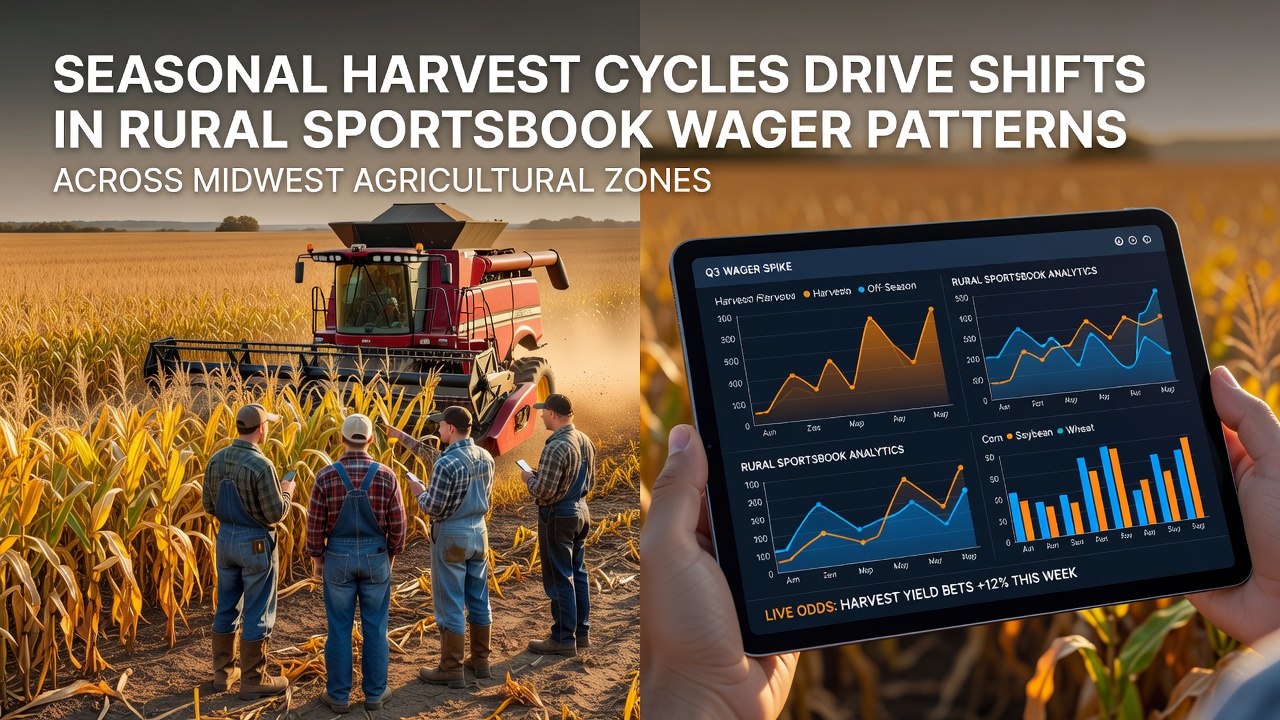
Seasonal harvest cycles across Midwest agricultural zones create measurable changes in rural sportsbook wager patterns, and data from multiple states illustrate how planting, growing, and harvest periods align with fluctuations in betting volume and preferred sports. Observers note that farmers and agricultural workers experience income spikes during harvest months while facing intense time demands, and these factors combine to alter when and how people place wagers at local sportsbooks or through mobile platforms.
Income Timing and Wager Volume Patterns
Research from the United States Department of Agriculture shows corn and soybean harvest peaks typically occur between September and November in states such as Iowa, Illinois, and Nebraska, and during these windows rural betting activity often rises as producers receive payments for their crops. Yet the same periods bring extended workdays that limit leisure time, so many bettors shift from in-person visits to quick mobile bets on evening games. Figures from state gaming commissions reveal that total handle in rural counties can increase by 12 to 18 percent during October compared with summer months when fieldwork remains steady but cash flow stays tighter.
Planting season from April through June produces a different rhythm, adn observers record lower overall wager amounts because upfront costs for seed, fuel, and equipment strain budgets. Those who continue betting tend to favor lower-stakes parlays or single-game wagers rather than larger accumulators, and this pattern holds across multiple agricultural communities according to aggregated transaction data.
Sports Preferences During Peak Work Periods
During intense harvest weeks, bettors gravitate toward sports with shorter game durations or flexible viewing options, and professional football draws strong interest once the season begins because games air on weekends when fieldwork often pauses. In contrast, baseball and basketball wagers decline because regular-season games require more consistent evening attention that conflicts with field operations. One study conducted by researchers at the University of Illinois tracked rural account activity and found football handle rising sharply in late September while other sports remained flat or dipped slightly.
Regional Data and August 2026 Observations
In August 2026, several Midwest counties reported early harvest activity due to favorable weather, and gaming operators noted a corresponding uptick in late-summer football futures and preseason wagers. Iowa Racing and Gaming Commission records indicate rural sportsbooks saw a 9 percent increase in handle during the final two weeks of that month compared with the prior year, and analysts linked the change to accelerated crop sales. Similar patterns emerged in southern Minnesota and eastern South Dakota, where mobile betting apps recorded higher session counts during brief weather delays that gave workers short windows of downtime.
Local operators also adjust promotions to match these cycles, and many rural sportsbooks offer harvest-themed bonuses tied to specific crop reports or weather forecasts. Such targeted offers appear during periods when disposable income rises yet time remains limited, and participation data shows these campaigns attract both new accounts and returning seasonal bettors.
Broader Economic Connections
Connections between commodity prices and betting behavior surface in multiple analyses, and higher corn or soybean futures often precede increased wager volumes within two to three weeks. The National Agricultural Statistics Service compiles weekly price data that researchers cross-reference with gaming reports, and correlations appear strongest in counties where agriculture accounts for more than 30 percent of employment. Those who track these indicators note that sudden price drops can produce the opposite effect, with total handle falling as producers conserve cash for operating loans.
Community events tied to harvest, including county fairs and equipment auctions, create additional spikes in social betting, and group wagers on college football games become more common during these gatherings. Observers report that such collective activity remains concentrated on weekends when fieldwork pauses, and it contributes to temporary volume increases that operators can anticipate from historical records.
Conclusion
Seasonal harvest cycles continue to influence rural sportsbook wager patterns throughout Midwest agricultural zones, and the timing of income, work demands, and community events produces consistent shifts in volume and sport preferences. Data from government agencies and academic researchers document these relationships across multiple states, and operators use the information to refine promotions and staffing. As agricultural conditions evolve each year, the same underlying patterns reappear and shape how rural residents engage with sports betting platforms.