Mapping the Influence of Social Media Influencers on Emerging Fantasy Sports Betting Behaviors in Latin American Regions
Bianca Franke · Aug 13, 2026
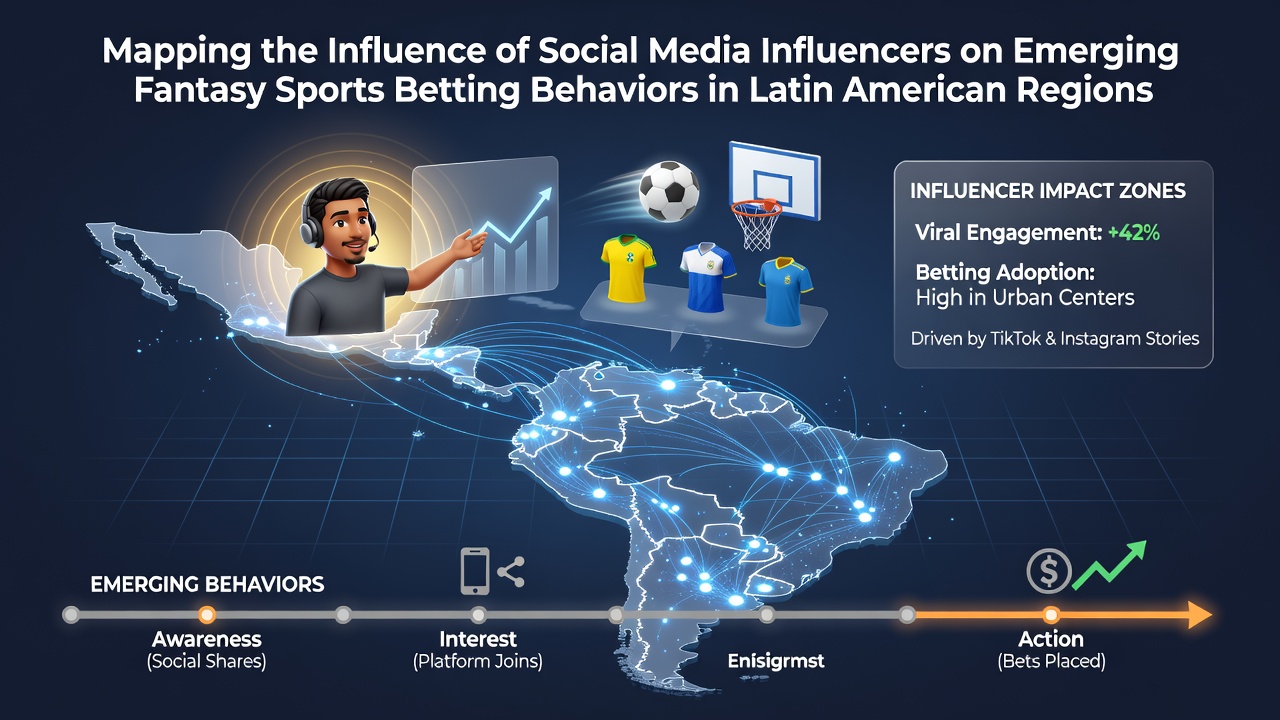
Mapping the Influence of Social Media Influencers on Emerging Fantasy Sports Betting Behaviors in Latin American Regions
Researchers have tracked steady expansion of fantasy sports betting across Latin American countries since the mid-2010s, and data from multiple industry reports shows participation rates rising sharply in Brazil, Mexico, and Argentina during 2025 and into 2026. Social media platforms serve as primary channels where influencers introduce users to daily fantasy contests, season-long leagues, and related wagering options tied to soccer leagues such as the Brazilian Série A and Liga MX. Observers note that these digital promotions often feature short video clips, live streams, and referral codes that lower entry barriers for new participants who encounter the content through Instagram, TikTok, and YouTube.
Growth Patterns in Key Markets
Figures released by regional gaming associations indicate that Brazil accounted for the largest share of new fantasy sports accounts registered in the first half of 2026, while Mexico recorded consistent month-over-month increases in average wager sizes. Argentina followed with elevated activity around Copa Libertadores matches, and analysts attribute part of this surge to coordinated influencer campaigns that align promotional posts with major tournament schedules. Those who've examined platform analytics find that posts from verified accounts with follower counts above 500,000 generate measurable spikes in sign-ups within 48 hours of publication, particularly when the content includes step-by-step explanations of contest formats and payout structures.
Studies conducted by academic teams at institutions in São Paulo and Mexico City have mapped how influencer messaging shapes risk perception among younger demographics aged 18 to 34. The research shows repeated exposure to success stories and highlight reels correlates with higher frequency of small-stakes entries, yet the same datasets reveal limited discussion of loss limits or responsible play features in the majority of sponsored videos. Government agencies in several jurisdictions have begun requesting transparency reports from platforms to quantify the volume of such promotional material reaching users in regulated versus unregulated environments.
Influencer Strategies and Platform Algorithms
Content creators frequently employ storytelling techniques that frame fantasy sports as extensions of traditional sports fandom rather than standalone gambling products, and engagement metrics confirm these narratives achieve higher completion rates than direct advertisements. Algorithms on major platforms prioritize videos that maintain viewer attention through the first 15 seconds, which leads many influencers to front-load quick-win examples before disclosing affiliate relationships. Data from third-party tracking tools indicates that cross-posting between TikTok and Instagram Stories amplifies reach by an average of 40 percent compared with single-platform campaigns, while live Q&A sessions allow real-time interaction that further embeds betting instructions into user routines.
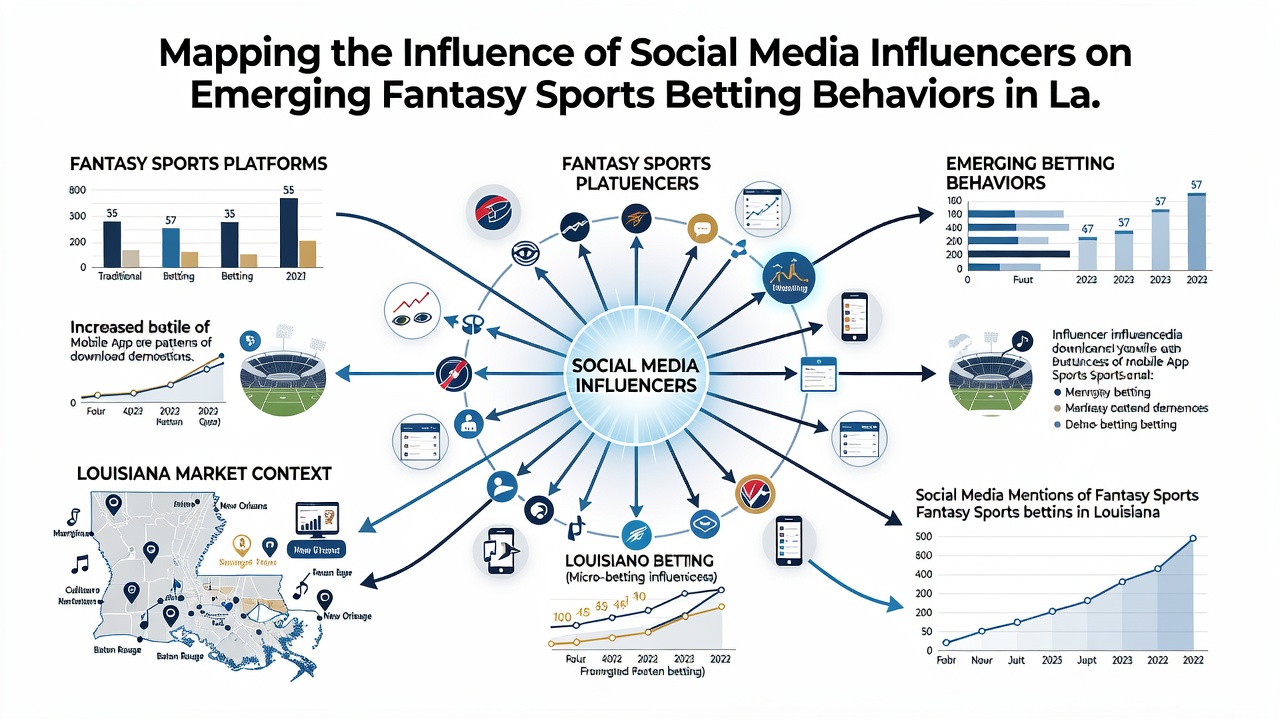
One documented case from early 2026 involved a Brazilian influencer whose series of tutorial videos on NBA fantasy contests drew viewers from soccer-focused audiences, illustrating how creators diversify topics to capture broader interest. Platform policies require disclosure labels on paid partnerships, yet enforcement varies by country, and compliance teams at major social networks have reported increased moderation queues following regulatory inquiries that intensified after August 2026.
Observed Shifts in User Behavior
Surveys distributed through mobile betting applications reveal that users who cite social media as their primary discovery method tend to maintain shorter session durations but log in more frequently than those introduced through traditional advertising channels. Participation clusters around specific times of day align with influencer posting schedules, and researchers have identified corresponding increases in deposit activity within two hours of high-engagement livestreams. Regional differences appear when comparing urban centers, where faster internet supports live content consumption, against rural areas that rely more on asynchronous video formats.
Evidence from payment processor records shows a rise in smaller, repeated transactions rather than larger single deposits, a pattern consistent with the micro-stakes structures promoted in many influencer videos. Academic papers published in 2025 examined correlations between influencer follower growth and aggregate betting volumes in matched geographic zones, finding statistically significant relationships in three of the five markets studied.
Regulatory Developments Through Mid-2026
Legislative bodies in Brazil and Mexico advanced draft frameworks during summer 2026 that address influencer advertising standards for fantasy sports operators, and consultations held in August 2026 gathered input from both industry representatives and public health researchers. These proposals include requirements for clear age-gating on promotional content and standardized risk warnings that must accompany every sponsored post. Authorities in Colombia and Chile have signaled similar reviews, drawing on data collected from neighboring jurisdictions to inform enforcement priorities.
Industry organizations have responded by developing voluntary codes that recommend disclosure timing and content review processes before campaigns launch. Observers tracking these initiatives note that operators active across multiple countries face varying compliance costs depending on local rules, which in turn influences which markets receive the heaviest promotional investment from influencers.
Conclusion
Available datasets and regulatory filings demonstrate that social media influencers function as significant intermediaries in the expansion of fantasy sports betting across Latin American regions, shaping entry points, content formats, and user engagement rhythms. Continued monitoring by academic and governmental bodies will determine how evolving platform policies and new legislation alter these dynamics in subsequent reporting periods.