Decoding Loyalty Programs: How Casino Rewards Systems Influence Long-Term Engagement in Digital Wagering Environments
Blake Vogel · May 16, 2026
Decoding Loyalty Programs: How Casino Rewards Systems Influence Long-Term Engagement in Digital Wagering Environments
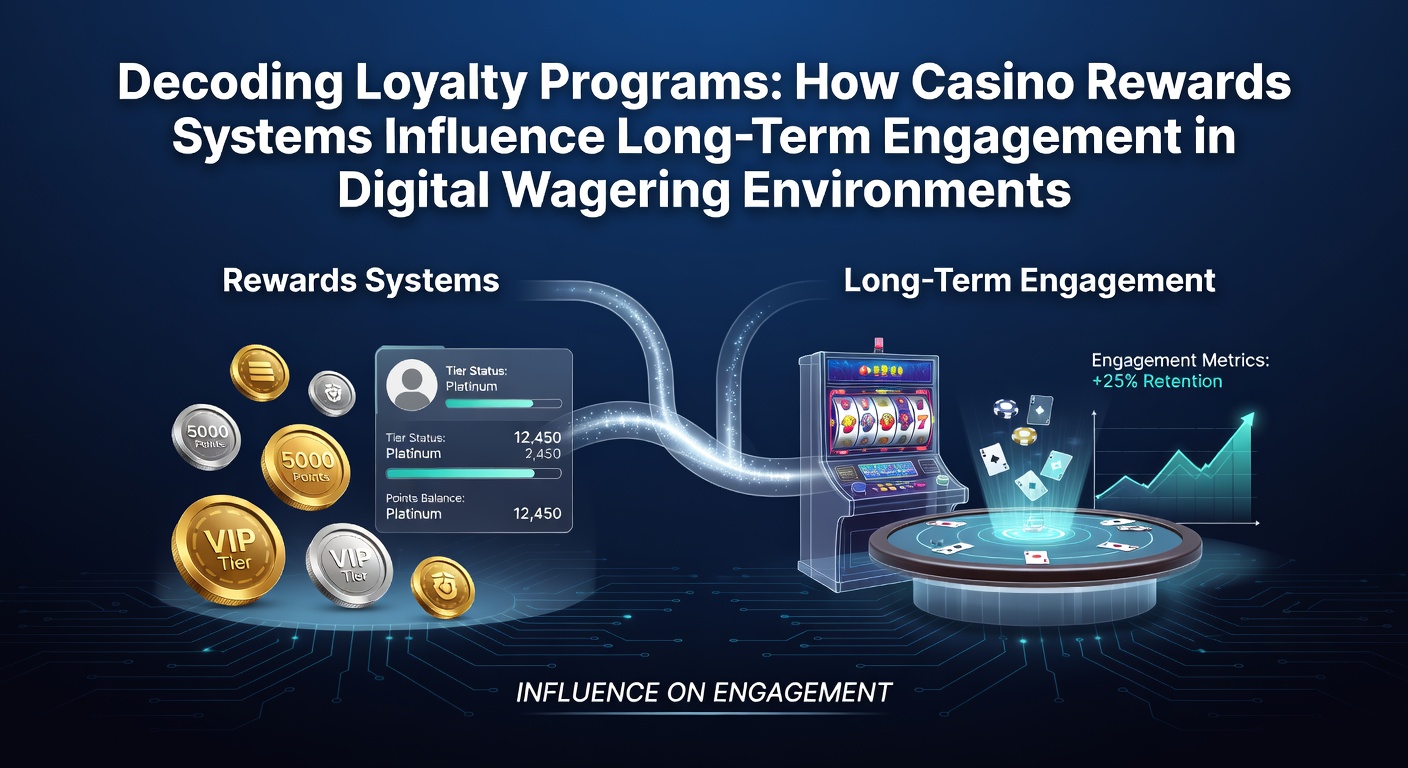
Loyalty programs in online casinos operate through structured point systems that convert player wagers into redeemable credits, tier advancements, and tailored incentives designed to extend session lengths and repeat visits. These frameworks track every bet across slots, table games, and live dealer options while algorithms adjust offers based on individual spending patterns and game preferences. Research from the University of Nevada's International Gaming Institute shows that members enrolled in multi-tier programs generate 25 percent more handle than non-members over six-month periods because the visible progress toward higher status encourages continued activity.
Mechanics Behind Points, Tiers, and Redemption Options
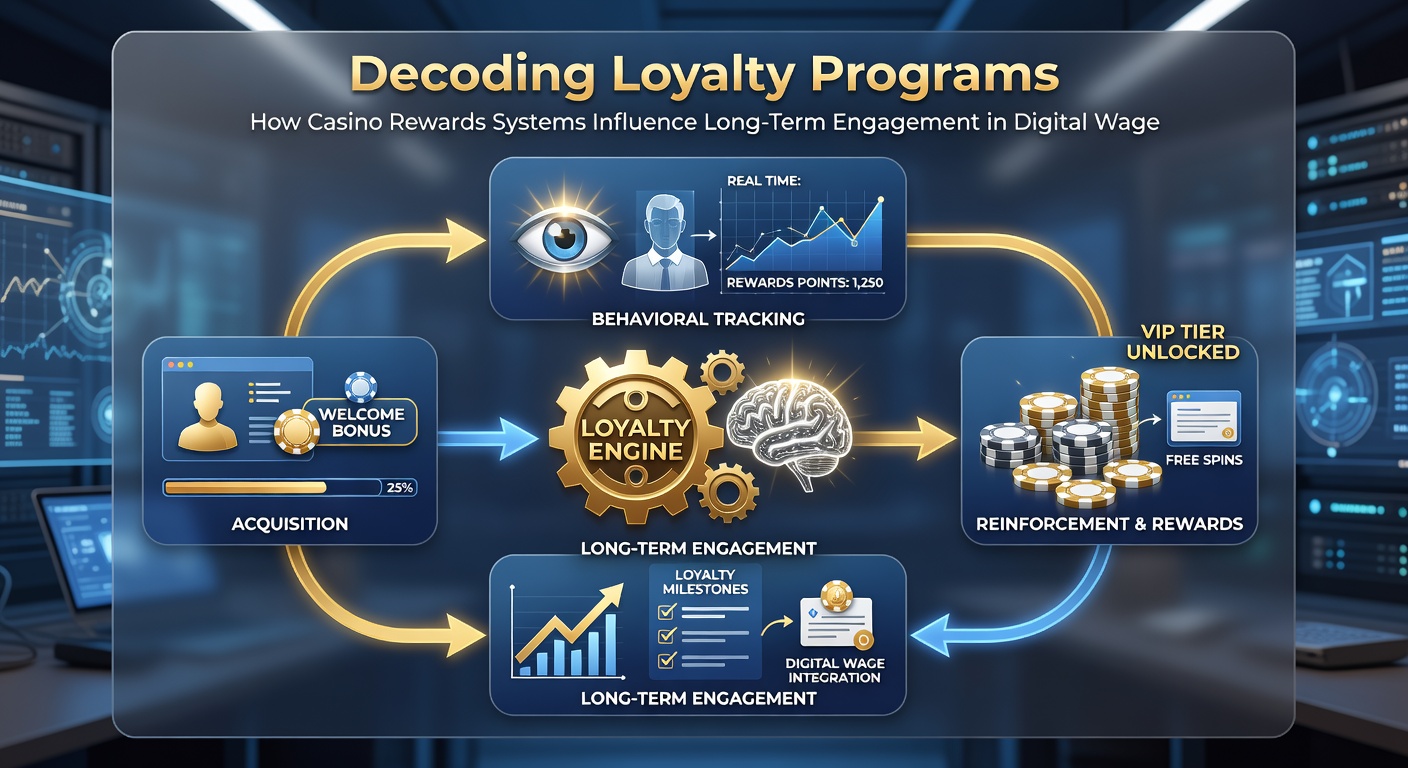
Players earn one point for every dollar wagered on most platforms, though certain high-volatility slots award double points during promotional windows, and this accumulation pushes participants through bronze, silver, gold, and platinum levels where each stage unlocks faster cashback percentages plus access to dedicated account managers. Redemption catalogs typically include free spins valued at set point thresholds, deposit matches scaled to tier status, and physical rewards such as electronics or event tickets that arrive after players convert loyalty balances at predetermined exchange rates. Data collected across European operators indicates that 68 percent of redemption activity occurs within the first 48 hours after a new tier unlock, which creates a feedback loop that sustains daily logins.
Impact on Retention Metrics and Behavioral Patterns
Long-term engagement rises measurably when operators layer time-limited challenges on top of base rewards, such as weekly leaderboards that distribute extra points to top volume players or streak bonuses for consecutive days of activity. Observers note that these mechanics reduce churn rates by nearly 40 percent among users who reach gold status within their first three months, according to aggregated figures from multiple iGaming platforms operating in regulated markets. Session frequency climbs as well because many systems notify members via push alerts when they sit just below the next tier threshold, prompting quick return visits to complete the requirement. One longitudinal analysis covering 2024 through early 2026 revealed that participants who redeemed at least three rewards per quarter maintained average monthly deposits 31 percent above the platform-wide mean.
Regional Regulatory Approaches and Data Transparency Requirements
Regulators in New Jersey and Pennsylvania require operators to publish clear point-earning rates and expiration policies so players understand exactly how rewards accrue and when balances reset. Similar rules took effect across several Canadian provinces in 2025, mandating that loyalty statements appear in plain language and that any algorithmic adjustments to earning rates receive prior approval. In May 2026, the Australian Communications and Media Authority began reviewing proposed updates that would force platforms to display lifetime points totals alongside monthly summaries, giving users a clearer picture of long-term value. These measures aim to keep reward structures transparent while still allowing operators to experiment with personalized multipliers that respond to real-time play data.
Integration With Broader Player Management Tools
Loyalty engines now feed directly into responsible gaming modules that flag unusual spending spikes and automatically surface lower-stakes game recommendations or temporary deposit caps. When a player approaches self-set limits, the system can offer loyalty points for choosing lower-volatility titles instead of simply blocking access, which maintains engagement without overriding player controls. Industry reports compiled by the European Gaming and Betting Association indicate that platforms using this combined approach see a 19 percent drop in self-exclusion requests among high-tier members compared with programs that separate rewards from harm-minimization features. The same reports note that cross-game progress bars, which display unified point totals across slots and sportsbooks, further increase the likelihood that users explore new verticals rather than cycling through the same few titles.
Conclusion
Digital wagering loyalty programs function as sophisticated retention engines that translate raw wager volume into status, perks, and behavioral nudges capable of extending player lifetimes by measurable margins. Transparent rules, tiered benefits, and integration with gaming safeguards together shape how participants interact with platforms over months and years. As regulatory frameworks continue to evolve through 2026 and beyond, the core dynamic remains constant: operators that align reward visibility with genuine player value sustain higher engagement levels while meeting compliance standards across multiple jurisdictions.