Connecting Wearable Health Data Streams to Wagering Trends Across Professional Sports Leagues
Xander Schmitz · Jul 7, 2026
Connecting Wearable Health Data Streams to Wagering Trends Across Professional Sports Leagues
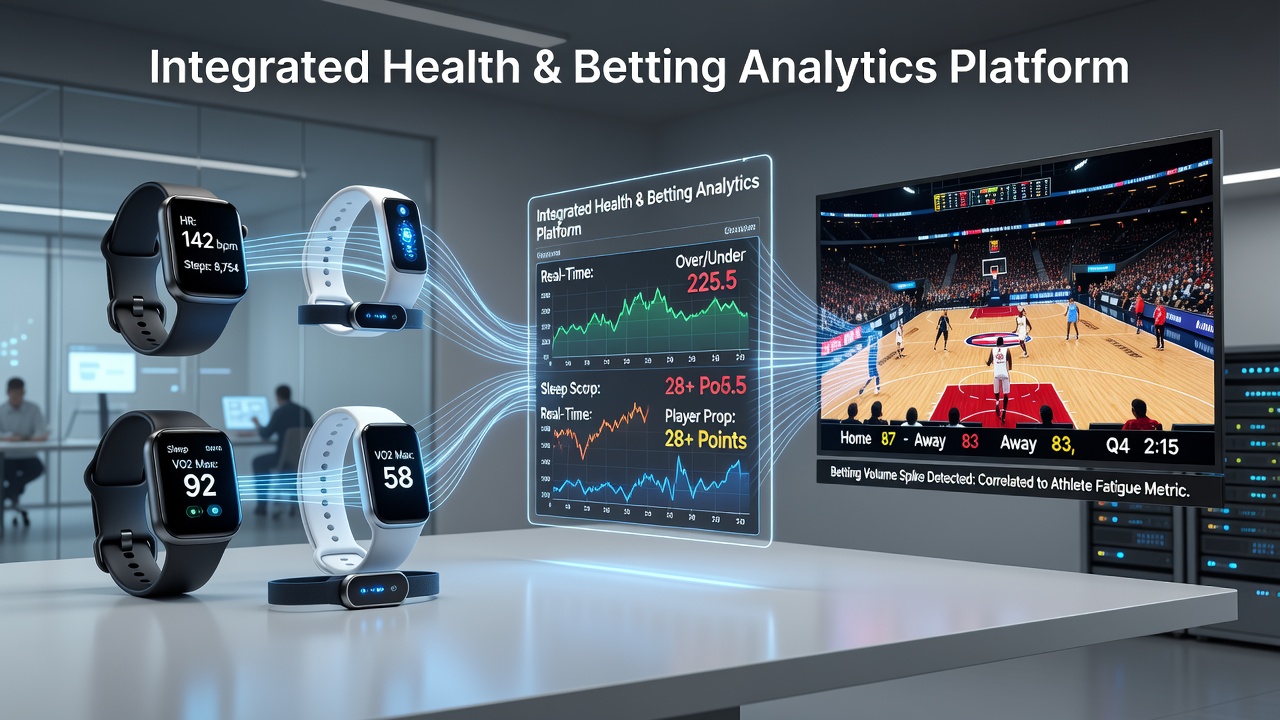
Professional athletes across major leagues now integrate wearable sensors into daily routines and these devices capture continuous streams of physiological information including heart rate variability, sleep duration, and movement intensity while training staff monitor recovery timelines in real time. Data from such trackers often feeds into performance forecasts that influence how betting markets set odds for upcoming contests and researchers have documented instances where shifts in aggregate wellness scores precede noticeable changes in wager volumes on specific teams or players.
Wearable Technology Adoption in Elite Athletic Environments
Teams in the NBA, NFL, and European soccer competitions began rolling out advanced wristbands and chest straps several seasons ago and by July 2026 adoption rates exceeded 85 percent among starting lineups according to league equipment reports. These tools measure parameters such as resting heart rate and oxygen saturation levels then transmit summaries to centralized dashboards where analysts compare current readings against historical baselines for each athlete. Observers note that when multiple players on one roster show elevated fatigue markers the team’s projected point spread sometimes moves several points in the opposite direction before tip-off or kickoff.
Coaches receive alerts when an individual’s sleep efficiency drops below established thresholds and they respond by reducing practice intensity or altering travel schedules. This adjustment process creates observable patterns because public injury reports and practice participation logs frequently align with the underlying biometric trends even though raw device outputs remain private. Bettors who track these secondary signals adjust their stake sizes accordingly and industry data shows corresponding spikes in handle on games featuring squads with recent wellness fluctuations.
Patterns Emerging Between Health Indicators and Betting Volumes
Studies conducted by academic groups at North American universities have tracked anonymized performance datasets alongside betting exchange records and they identified moderate correlations between reduced heart rate variability readings and increased betting activity on underdog outcomes. The same analyses revealed that extended recovery periods after back-to-back road games tend to coincide with higher totals wagers placed on the opposing side as market participants interpret slower return-to-baseline metrics as indicators of diminished scoring potential. Figures released in mid-2026 demonstrated that leagues publishing more granular daily participation updates experienced sharper swings in pregame betting liquidity compared with those maintaining stricter data controls.
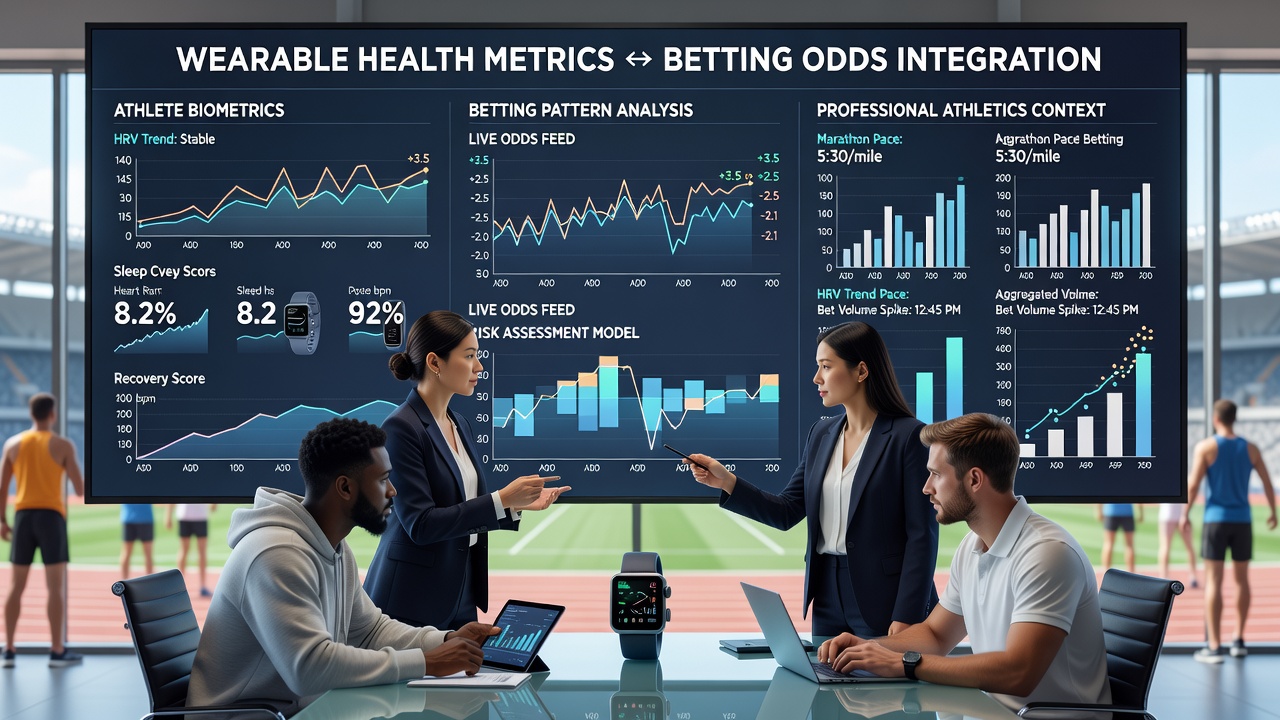
One longitudinal review examined sleep and step-count data from a sample of soccer players across five major European clubs and cross-referenced those values with odds movement on international betting platforms. Researchers discovered that nights registering below six hours of quality rest preceded a measurable uptick in live in-game wagers placed against the affected side during the first half of matches. Such findings remain observational rather than predictive yet they illustrate how publicly available proxies for private biometric information can shape wagering behavior across time zones and continents.
Regulatory and Data Privacy Considerations
Governing bodies including the Canadian Centre for Ethics in Sport have issued guidelines that restrict the sharing of individual athlete wellness information beyond medical and coaching personnel. These rules aim to prevent unauthorized use of personal metrics while still allowing aggregated league-wide statistics to inform competitive integrity programs. In parallel the Australian Sports Commission published a 2026 position paper outlining recommended safeguards for biometric datasets that teams collect during both training and competition periods. Compliance varies by jurisdiction and some clubs now employ third-party auditors to verify that raw wearable outputs do not reach external parties who might monetize the insights through betting syndicates.
Despite these protections secondary data sources such as GPS-tracked distance covered or publicly disclosed minutes restrictions continue to circulate among professional handicappers. Observers note that when such information becomes widely disseminated the resulting market adjustments often mirror the directional signals originally derived from private device readings. League officials continue to refine disclosure policies in response to these dynamics particularly as wearable accuracy improves and more granular recovery scores enter the public domain through routine media briefings.
Future Developments in Data Integration
Technology providers continue to refine algorithms that synthesize multiple biometric streams into composite readiness indices and several professional organizations plan expanded pilot programs during the 2026-2027 campaign cycles. These initiatives seek to balance competitive advantage with responsible information management while betting operators monitor regulatory updates that could affect how they incorporate performance indicators into pricing models. Evidence from recent seasons indicates that transparent communication around wellness protocols tends to stabilize betting volumes whereas abrupt changes in reporting practices correlate with temporary liquidity surges followed by recalibration periods.
Conclusion
The intersection of wearable-derived health metrics and professional sports wagering continues to evolve as sensor precision advances and data governance frameworks mature. Multiple studies have mapped observable links between recovery indicators and subsequent market movements yet the precise mechanisms remain subject to ongoing investigation by academic and industry researchers alike. As leagues refine their approaches to biometric confidentiality the flow of secondary signals will likely persist in shaping how participants interpret upcoming contests and allocate stakes accordingly.