Biometric Sensors Reshaping Risk Assessment Protocols in Digital Sports Wagering Platforms
Petra Sullivan · Jul 23, 2026
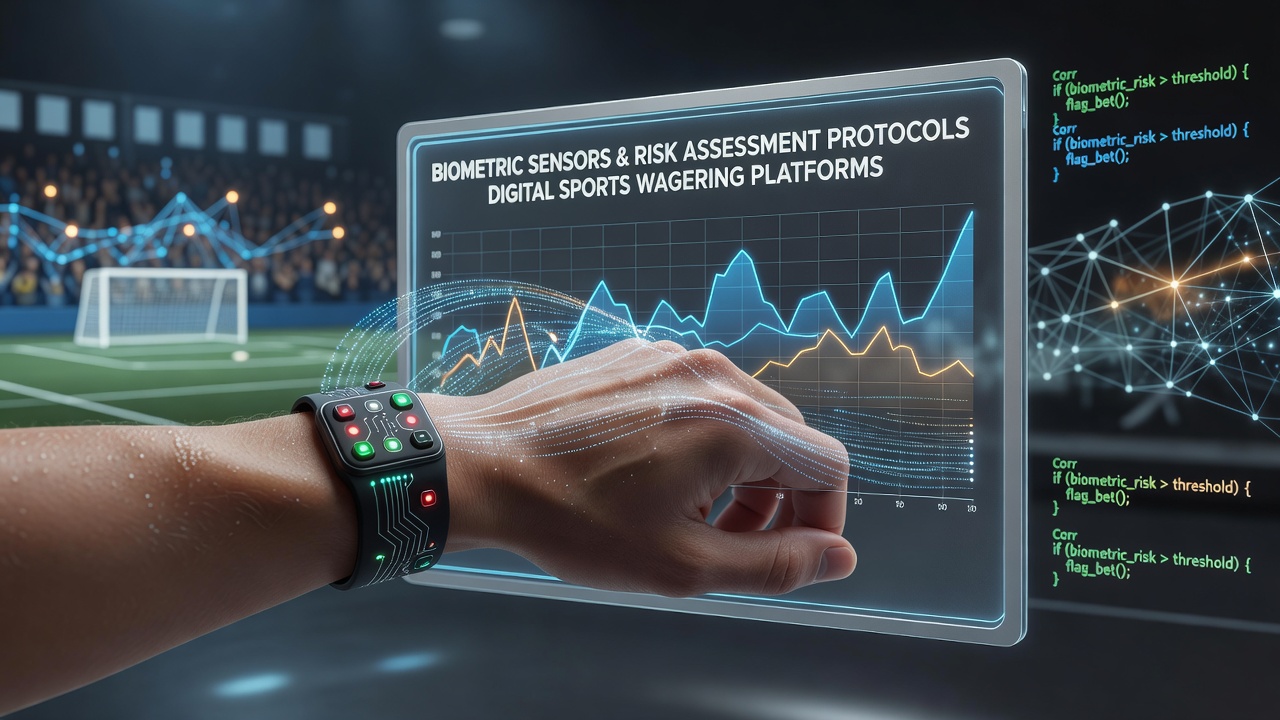
Biometric Sensors Reshaping Risk Assessment Protocols in Digital Sports Wagering Platforms
Digital sports wagering platforms have started incorporating biometric sensors into their risk assessment frameworks, and these tools track physiological signals such as heart rate variability along with facial micro-expressions to flag potential issues in real time. Operators collect data from wearable devices and smartphone cameras, then feed the information into algorithms that evaluate user behavior patterns during live betting sessions. This approach builds on traditional metrics like deposit frequency and wager size, yet it adds layers of physiological context that help distinguish between normal excitement and signs of distress.
Core Technologies Driving the Shift
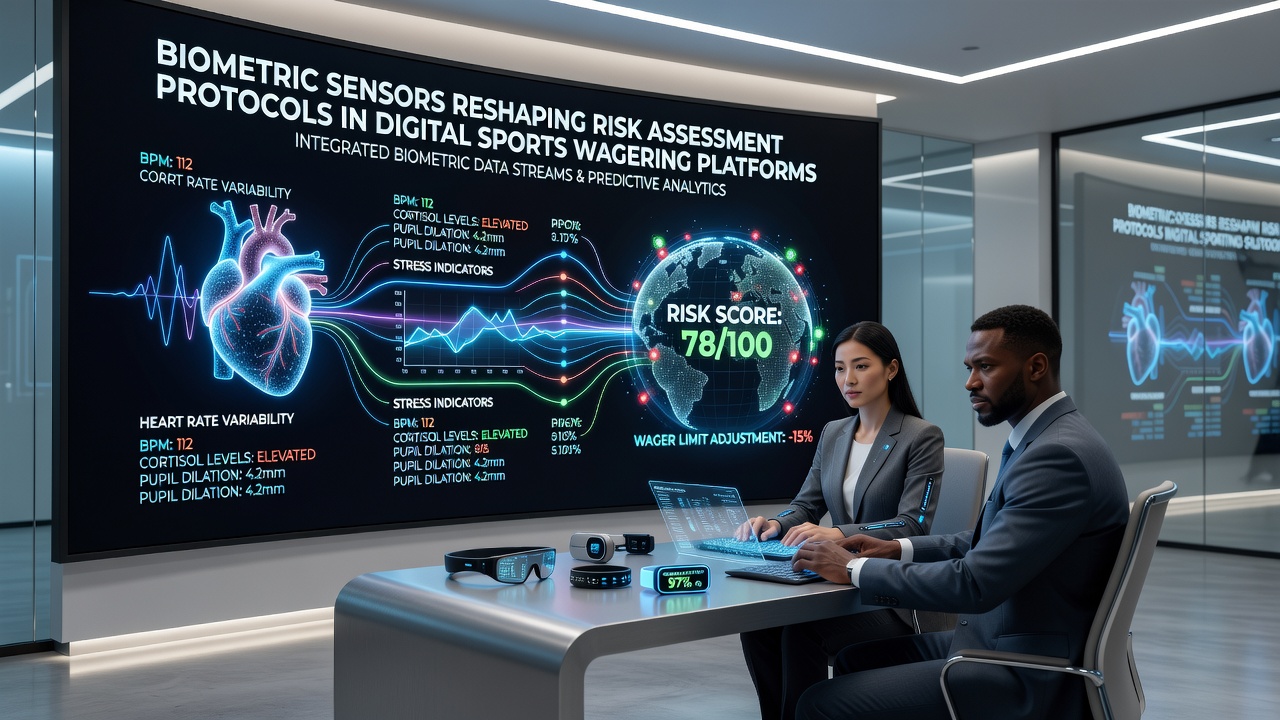
Heart rate monitors paired with eye-tracking software form the backbone of many current systems, and platforms integrate these components through mobile apps that users already have on their phones. Facial recognition cameras analyze pupil dilation and blink rates while a bettor watches game feeds, and the resulting data streams combine with location and session duration records to create composite risk scores. Researchers at several universities have documented how elevated heart rates during losing streaks correlate with increased bet sizing in controlled studies, and platform operators now apply similar correlations at scale across thousands of concurrent users.
Voice pattern analysis has entered the mix on select platforms that offer in-app chat or voice-activated betting commands, and algorithms detect shifts in speech tempo or pitch that may indicate frustration or impulsivity. These audio features run alongside the visual and cardiac data streams, and the combined dataset allows risk models to update every few seconds rather than relying on end-of-session reviews. As of July 2026, several major operators report that biometric inputs now account for over 40 percent of their automated intervention triggers, up from roughly 15 percent in early 2025.
Applications in Real-Time Risk Scoring
Platforms use biometric thresholds to trigger temporary cooling-off prompts or to limit maximum stake sizes for individual users, and these interventions occur without human review in most routine cases. When a system detects sustained elevated heart rate combined with rapid successive bets on the same outcome, it may reduce available wager limits or surface a message suggesting a break. Data from North American operators shows that such automated pauses correlate with lower rates of subsequent large deposits within the same 24-hour window.
Verification processes also benefit from biometric layers, and new account setups now require a short facial scan that matches against government-issued ID photos while simultaneously establishing a baseline heart rate profile. This dual check reduces the chance of account sharing or proxy betting, and regulators in multiple jurisdictions have noted fewer instances of underage access attempts when biometric onboarding is mandatory. Australian state gaming authorities, for example, have published figures indicating a measurable drop in disputed transactions after platforms adopted these checks.
Regulatory Developments Across Regions
State-level bodies in the United States continue to refine guidelines around biometric data handling, and New Jersey's Division of Gaming Enforcement has issued technical standards that require explicit user consent plus annual third-party audits of stored physiological records. Canadian provincial regulators have taken a parallel route, and they now tie biometric system certification to broader responsible gambling compliance scores. European operators face additional requirements under data protection frameworks, which classify heart rate and facial data as sensitive personal information and therefore demand higher encryption standards.
Industry groups such as the European Gaming and Betting Association have compiled best-practice documents that outline minimum accuracy thresholds for biometric risk models, and these documents emphasize ongoing validation against independent behavioral datasets. New Jersey Division of Gaming Enforcement reports from the first half of 2026 highlight that platforms meeting these thresholds experienced fewer regulatory inquiries related to player protection failures. Meanwhile, research institutions in Australia continue to publish longitudinal studies tracking how biometric interventions affect long-term betting patterns across different age cohorts.
Implementation Challenges and Platform Responses
Accuracy remains a practical concern because individual baseline readings vary with fitness levels, caffeine intake, and even ambient temperature, and platforms therefore calibrate their models on a per-user basis during the first several sessions. False positive rates have declined as datasets grow larger, yet operators still maintain human review teams to handle edge cases where the algorithm flags a user whose biometric signals fall outside expected norms. Some platforms now offer users the option to opt out of continuous monitoring in exchange for stricter deposit limits, and this choice architecture satisfies both regulatory expectations and user preferences in several tested markets.
Hardware compatibility adds another layer of complexity, and not every smartphone supports the high-resolution cameras or Bluetooth connections needed for reliable readings. Larger operators have responded by providing subsidized wearable bands to high-volume users, and early adoption data suggests these devices improve signal quality enough to justify the added expense through reduced chargeback volumes. Smaller platforms, by contrast, rely more heavily on camera-based methods alone while they build toward broader device support.
Conclusion
Biometric integration into sports wagering risk systems continues to expand as sensor technology improves and regulatory expectations tighten, and the combination of physiological signals with traditional behavioral metrics produces more granular assessments than either approach achieves independently. Platforms that have deployed these tools report shifts in intervention timing from reactive to proactive, while regulators track corresponding changes in player protection metrics across jurisdictions. Continued refinement of calibration methods and cross-platform data standards will likely determine how widely these protocols spread in the coming years.