Analyzing Cryptocurrency Transaction Patterns Reshaping Deposit Behaviors in International Digital Gaming Platforms
Petra Sullivan · Aug 11, 2026
Analyzing Cryptocurrency Transaction Patterns Reshaping Deposit Behaviors in International Digital Gaming Platforms
Digital gaming platforms operating across multiple jurisdictions have recorded measurable shifts in deposit activity tied to cryptocurrency usage patterns since early 2025, with data through August 2026 showing continued evolution in transaction timing, size distribution, and currency selection. Operators report that players increasingly favor stablecoins such as USDT and USDC for deposits while Bitcoin and Ethereum flows exhibit distinct volatility-driven spikes during market rallies.
Transaction Volume and Timing Patterns
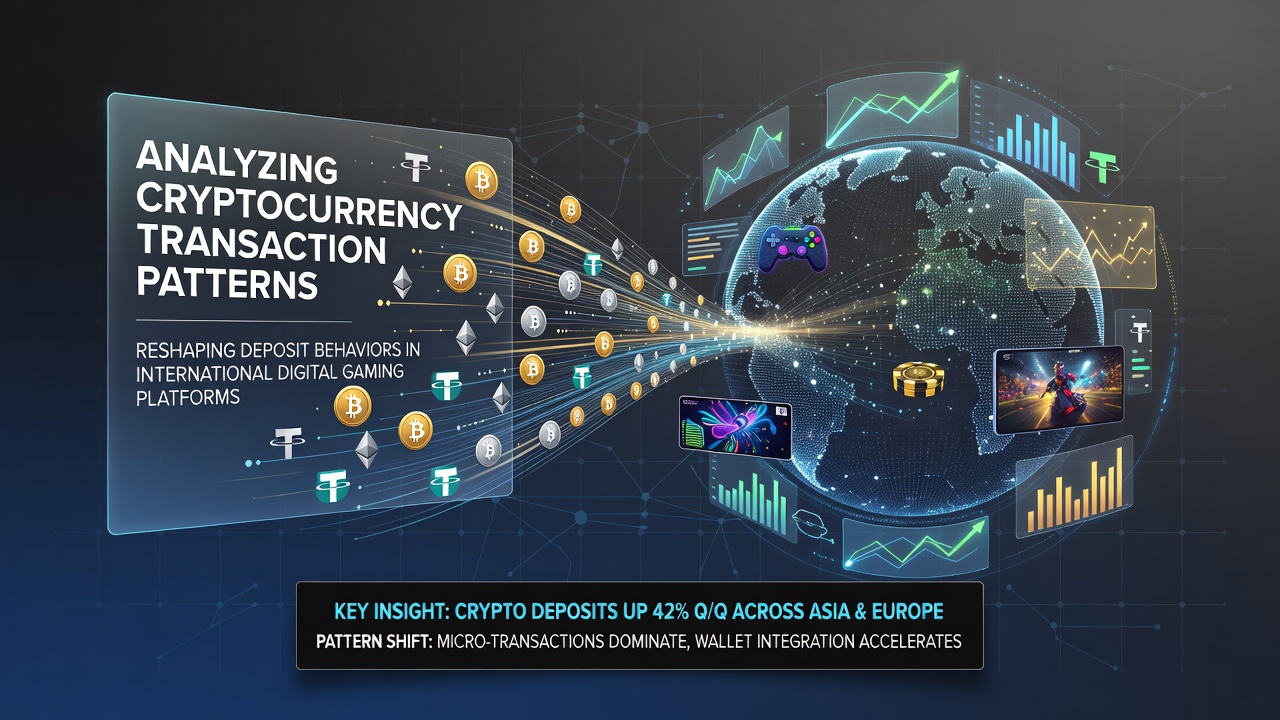
Platform analytics from major international operators indicate that average deposit sizes in cryptocurrency have declined by approximately 18 percent year-over-year, yet the total number of deposits has risen by more than 30 percent in the same period. This compression reflects a move toward smaller, more frequent transactions rather than large one-time transfers. Morning UTC windows between 06:00 and 10:00 have become peak deposit periods on platforms serving European and Asian markets, coinciding with Asian trading hours when cryptocurrency liquidity often peaks.
Researchers tracking on-chain data note that players frequently initiate deposits immediately after wallet-to-wallet transfers settle, suggesting many users maintain separate holding and spending wallets. This separation creates identifiable on-chain signatures that some platforms now monitor to streamline compliance checks without slowing user experience.
Regional Variations in Currency Preference
Platforms serving Latin American users show higher adoption of USDT on the Tron network, driven by lower transaction fees and faster confirmation times compared with Ethereum mainnet transfers. In contrast, North American-facing sites record greater use of Bitcoin Lightning Network deposits, which allow near-instant settlement for smaller amounts. European operators report steady growth in EURT and other euro-pegged stablecoins following regulatory clarifications issued in mid-2025.
Data compiled by the European Gaming and Betting Association highlights that platforms licensed in Malta and Gibraltar processed over 2.1 million cryptocurrency deposits in the first half of 2026, with stablecoin transactions accounting for 67 percent of that volume. EGBA industry reports further show that average session lengths following cryptocurrency deposits exceed those initiated by traditional payment methods by roughly 12 minutes.
Impact on Deposit Frequency and Platform Liquidity

The rise of programmable wallet features has enabled players to schedule recurring deposits tied to specific market events or personal milestones, creating predictable revenue streams for operators. Several platforms introduced automated top-up options in late 2025 that trigger when wallet balances fall below user-defined thresholds, resulting in a 24 percent increase in repeat deposit rates among participating users.
International operators have adjusted internal liquidity management accordingly, maintaining larger stablecoin reserves during high-volatility periods to accommodate rapid conversion requests. This adjustment has reduced instances of delayed withdrawals while keeping operational costs stable despite fluctuating cryptocurrency prices.
Regulatory and Compliance Developments
Regulators in Ontario and Singapore updated their digital payment guidelines in early 2026 to require enhanced transaction monitoring for cryptocurrency deposits exceeding certain thresholds. These measures focus on velocity checks rather than outright restrictions, allowing platforms to flag rapid successive deposits from the same wallet cluster without blocking legitimate activity.
Academic studies published in the Journal of Gambling Studies during 2025 examined deposit pattern correlations with responsible gaming markers, finding that users who spread deposits across multiple cryptocurrencies showed lower rates of consecutive high-value transactions compared with single-currency users. Platforms have begun incorporating these findings into risk-scoring models that inform personalized deposit limit suggestions.
Technological Infrastructure Changes
Wallet integration standards adopted by several large platform groups now support multi-signature approvals and address whitelisting, reducing the incidence of deposits sent to incorrect networks. These technical improvements coincide with broader industry movement toward standardized API connections between exchanges and gaming operators, shortening the time between fiat-to-crypto conversion and platform credit.
August 2026 figures from platform operators indicate that average deposit processing times for supported cryptocurrencies have fallen below 45 seconds on optimized networks, compared with 2.3 minutes recorded at the start of 2025. This speed improvement stems from wider adoption of layer-2 solutions and direct exchange partnerships rather than reliance on public mempools.
Conclusion
Cryptocurrency transaction patterns continue to influence deposit behaviors on international digital gaming platforms through measurable changes in timing, size, currency selection, and frequency. Operators and regulators alike have adapted monitoring systems and liquidity strategies to accommodate these shifts while maintaining compliance frameworks. Ongoing data collection through late 2026 will determine whether current trends stabilize or give way to new patterns as both technology and regulatory environments evolve.