Analyzing Connections Between Team Performance Streaks and Wager Volume Spikes During Professional Basketball Seasons in North American Leagues
Petra Sullivan · Jun 6, 2026
Analyzing Connections Between Team Performance Streaks and Wager Volume Spikes During Professional Basketball Seasons in North American Leagues
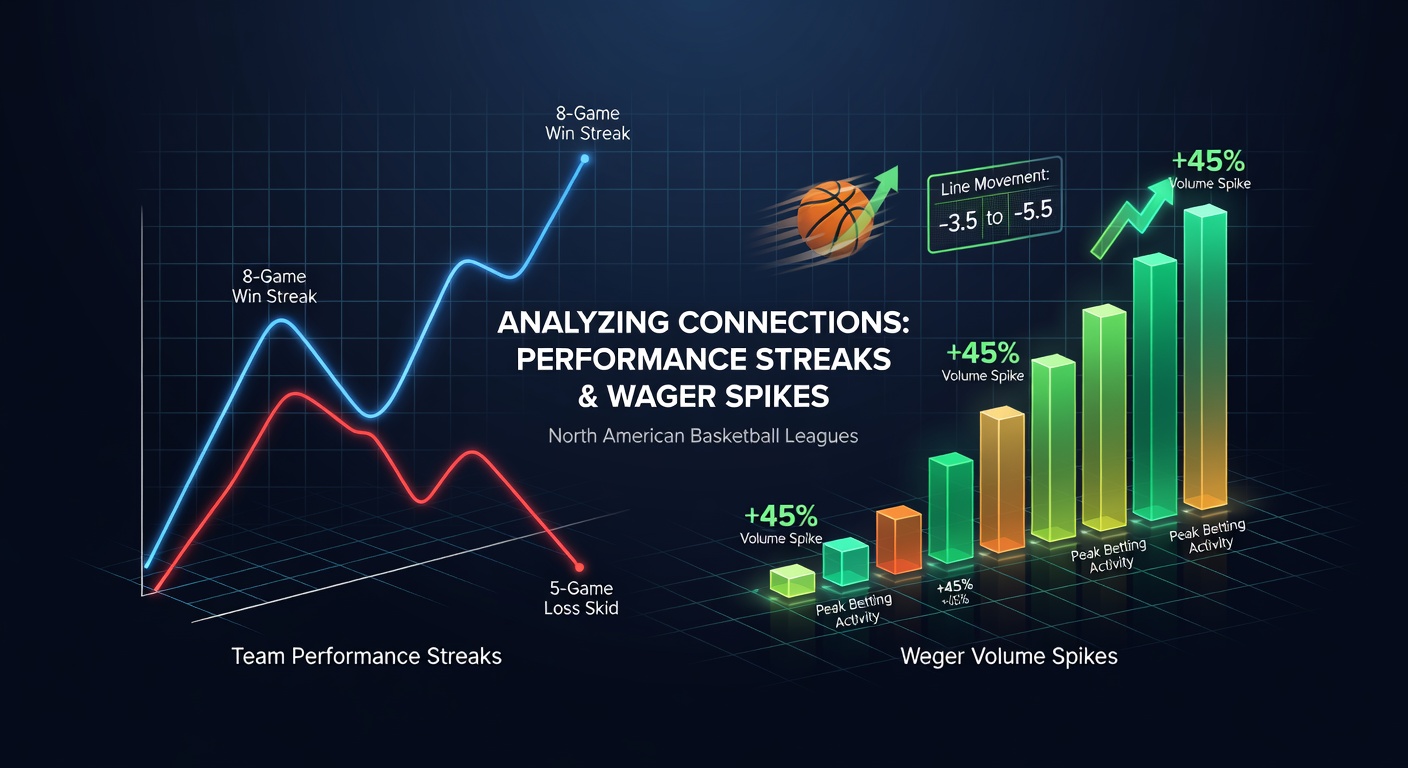
Professional basketball leagues across North America generate substantial wagering activity each season, and analysts track how extended team performance streaks align with measurable shifts in bet volumes at licensed sportsbooks. Data compiled from operators shows that winning streaks lasting five games or more often coincide with elevated handle on those teams in both moneyline and spread markets, while losing streaks produce parallel surges in bets against the struggling squads. Observers note these patterns hold across regular season schedules and carry into playoff periods when stakes intensify.
Patterns Observed in NBA Regular Seasons
The National Basketball Association provides the largest dataset for these correlations because of its 30-team structure and high volume of games played annually. Records indicate that teams on winning streaks attract disproportionate betting interest from the public, with handle increasing by double-digit percentages in many documented cases according to aggregated sportsbook reports. Researchers have examined seasons where squads maintained double-digit win streaks and found corresponding spikes in wager counts that exceeded average daily volumes by significant margins. Those who've reviewed betting logs point out that the effect strengthens when star players remain healthy and contribute to the streak, drawing additional casual bettors into the market.
Regional Data and Regulatory Context
North American jurisdictions that authorize sports wagering release periodic summaries that help quantify these trends. Figures from the American Gaming Association reveal that basketball accounts for a sizable share of total sports betting handle in states wth legal markets, and seasonal spikes align closely with notable performance runs. In parallel, Canadian provincial operators publish comparable statistics showing similar volume increases during streaks involving teams with large regional followings. Analysts combine these datasets to identify league-wide patterns rather than isolated team examples.
WNBA and Secondary League Influences
The Women's National Basketball Association has experienced steady growth in wagering participation, and performance streaks there produce measurable volume changes as well. Extended winning runs by high-profile franchises generate increased betting activity during the shorter regular season schedule, though absolute handle remains smaller than NBA figures. Observers have tracked how playoff qualification races amplify these effects in June, when late-season streaks determine postseason positioning and attract heightened attention from bettors. Data indicates that losing streaks in the WNBA similarly drive action on opposing teams, creating balanced volume shifts across both sides of the wager.
Factors That Amplify Volume Spikes
Several elements interact to magnify the connection between streaks and betting surges. National television exposure during winning runs increases public awareness and correlates with higher wager totals on subsequent games. Media coverage that emphasizes momentum narratives further channels attention toward streaking teams, while advanced analytics shared across platforms provide additional context that some bettors incorporate into their decisions. Market movement data shows that odds adjustments by sportsbooks sometimes lag behind initial volume increases, creating temporary inefficiencies that experienced bettors monitor. In June 2026, upcoming season previews highlighted how carryover effects from prior-year streaks could influence early betting markets once training camps open.
Methodologies Used in Analysis
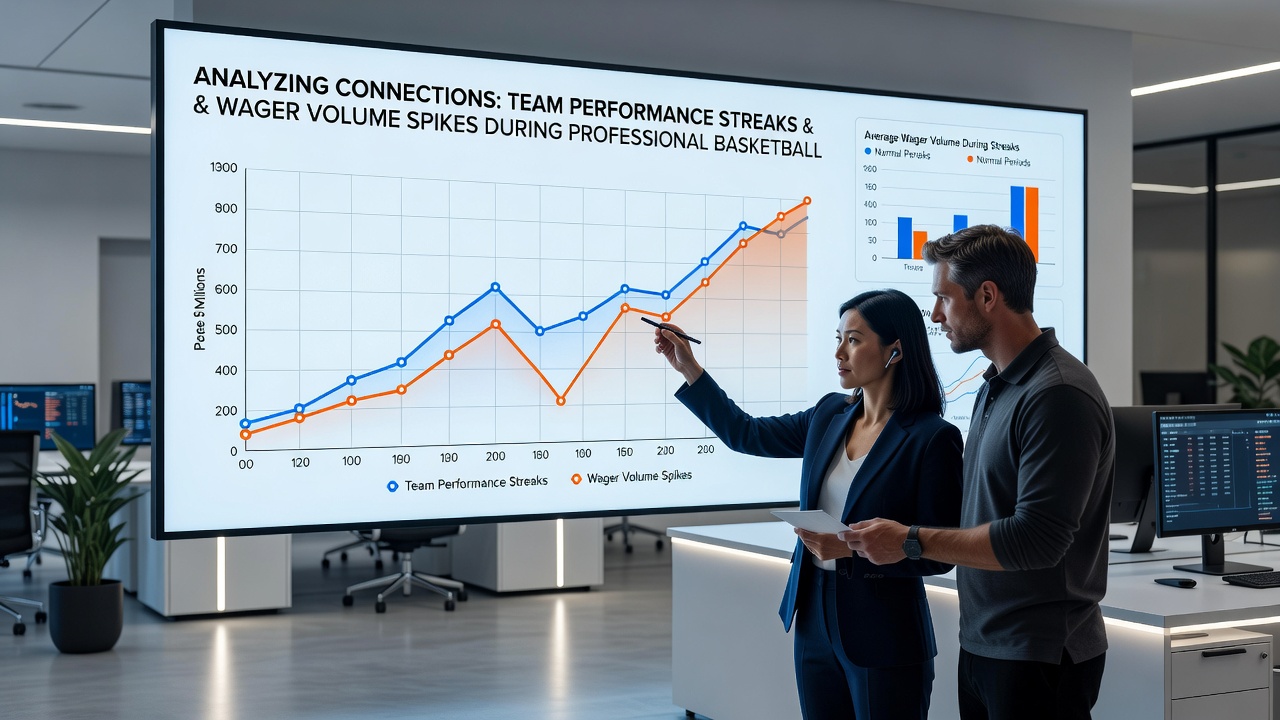
Quantitative studies apply time-series models to separate streak-related volume from baseline seasonal fluctuations. These approaches control for variables such as game location, opponent strength, and day-of-week scheduling that independently affect handle. Results consistently demonstrate statistically significant elevations in betting activity tied to streak length, with the magnitude varying by market liquidity and team popularity. Cross-referencing with injury reports and rest days refines the models further because those factors can interrupt or extend streaks and alter associated wager patterns.
Conclusion
Available records from North American basketball leagues establish clear alignments between performance streaks and shifts in wager volumes across multiple seasons. Continued monitoring of these relationships supports more precise forecasting by operators and provides regulators with indicators of market behavior during high-interest periods. As additional jurisdictions finalize sports betting frameworks, expanded datasets will allow deeper examination of how streaks influence activity in emerging markets.